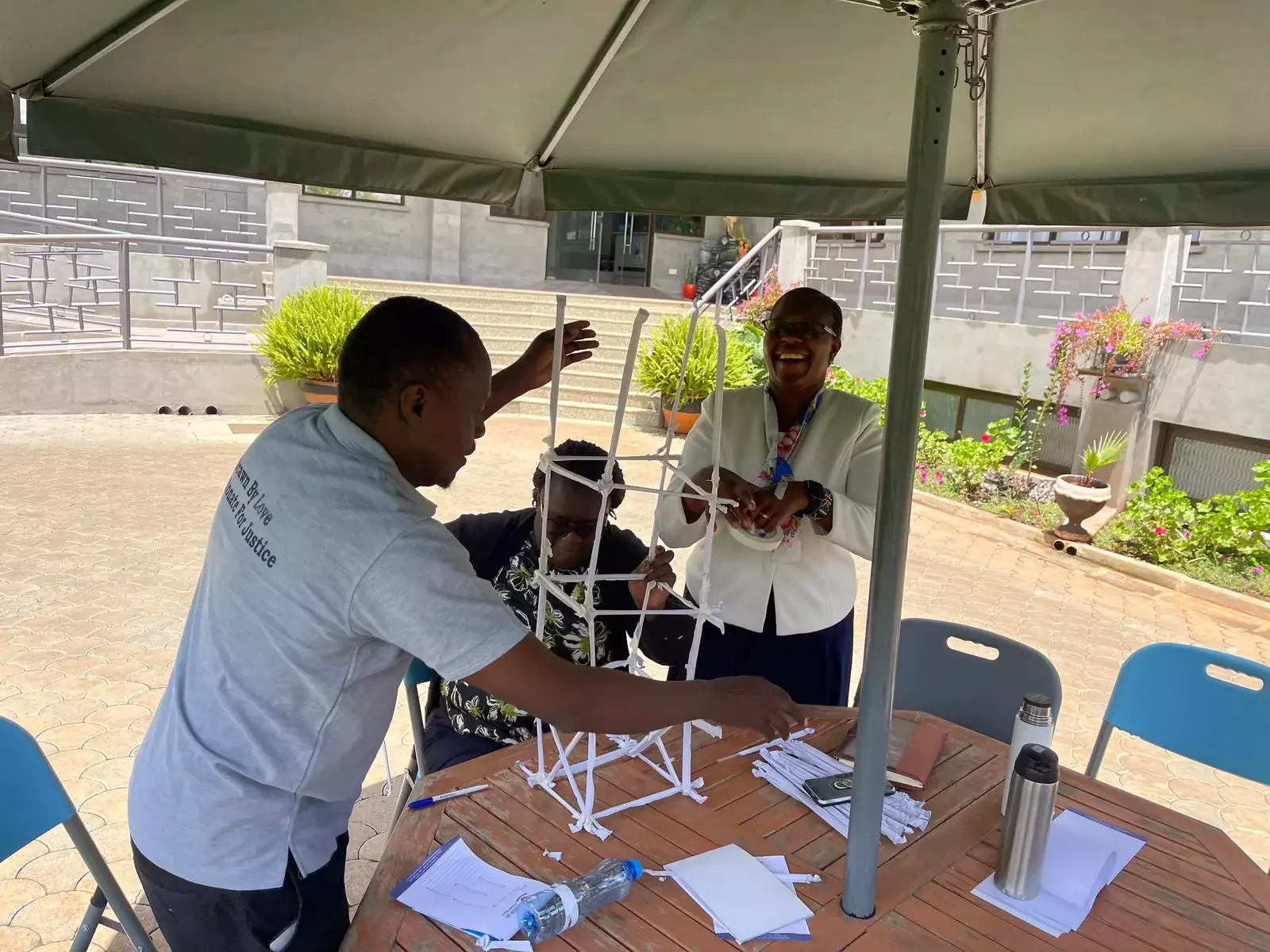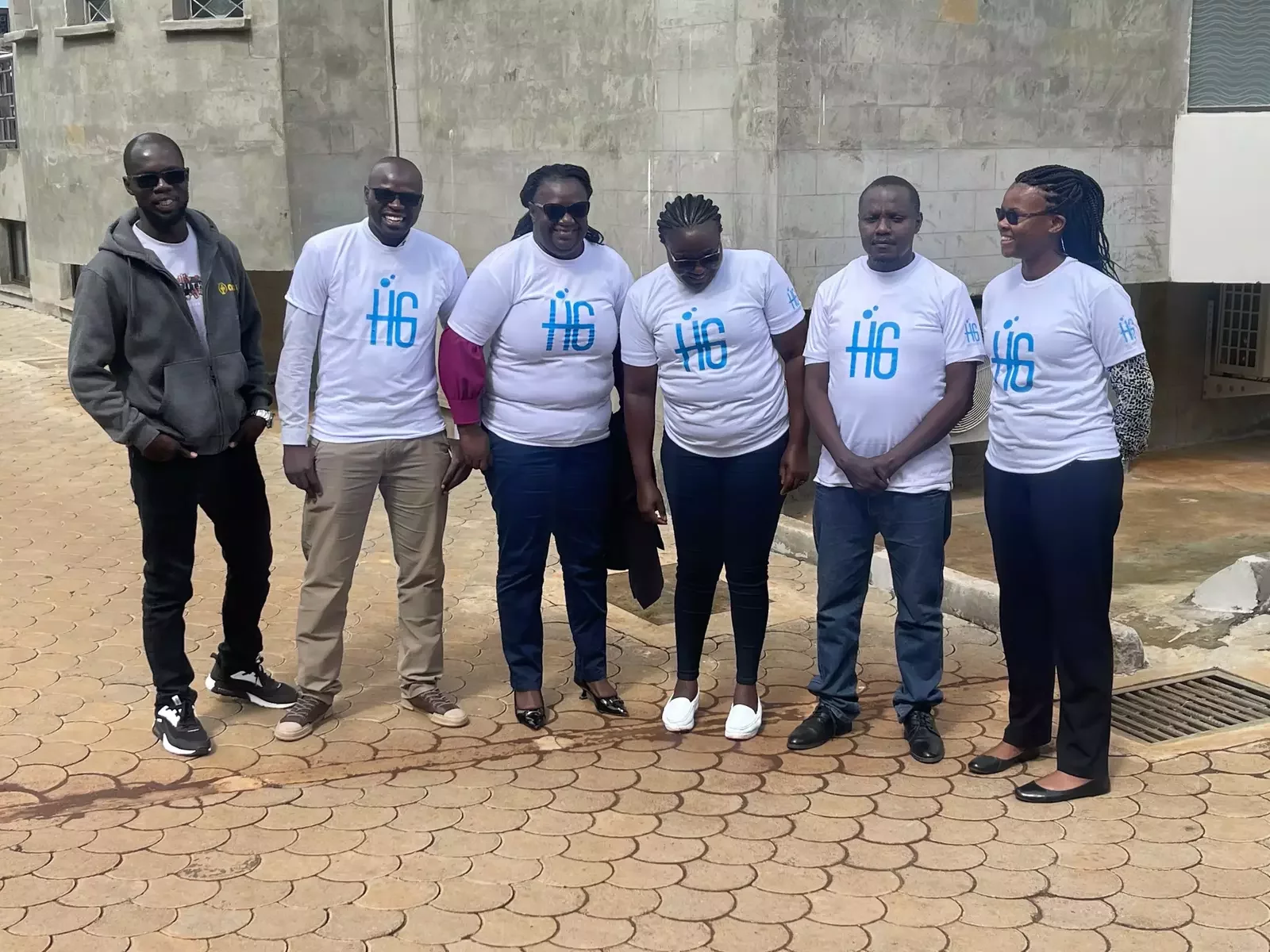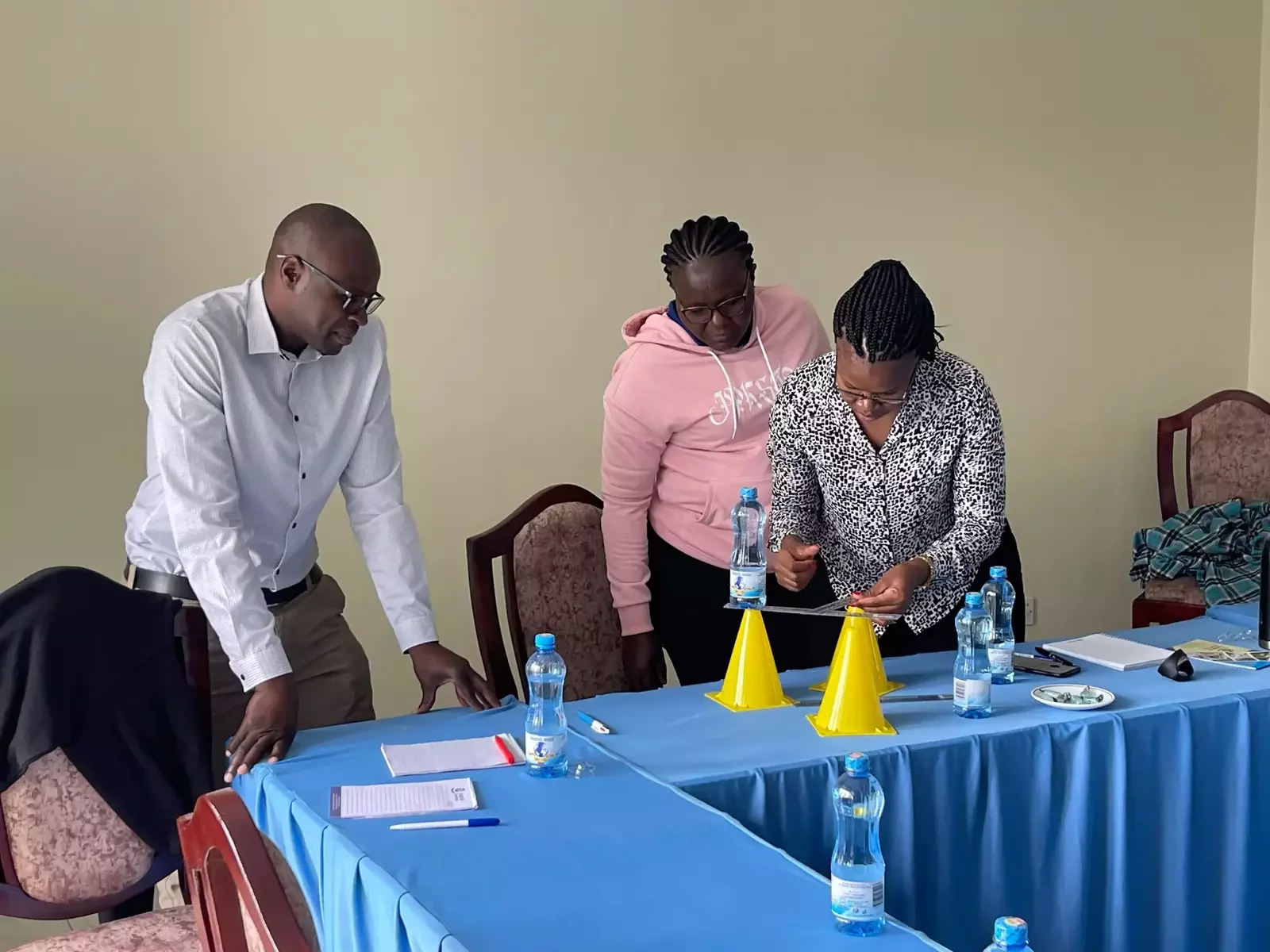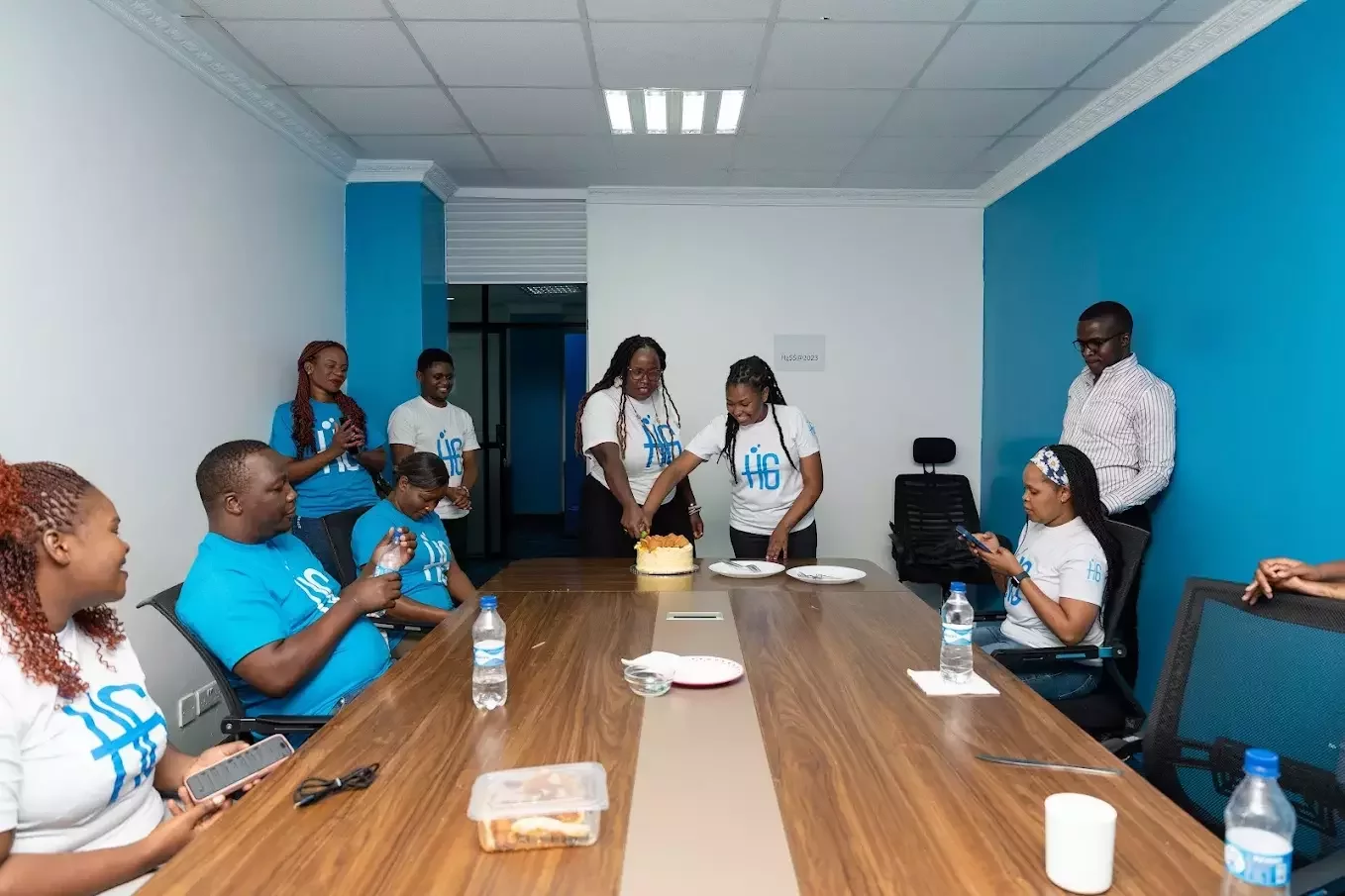
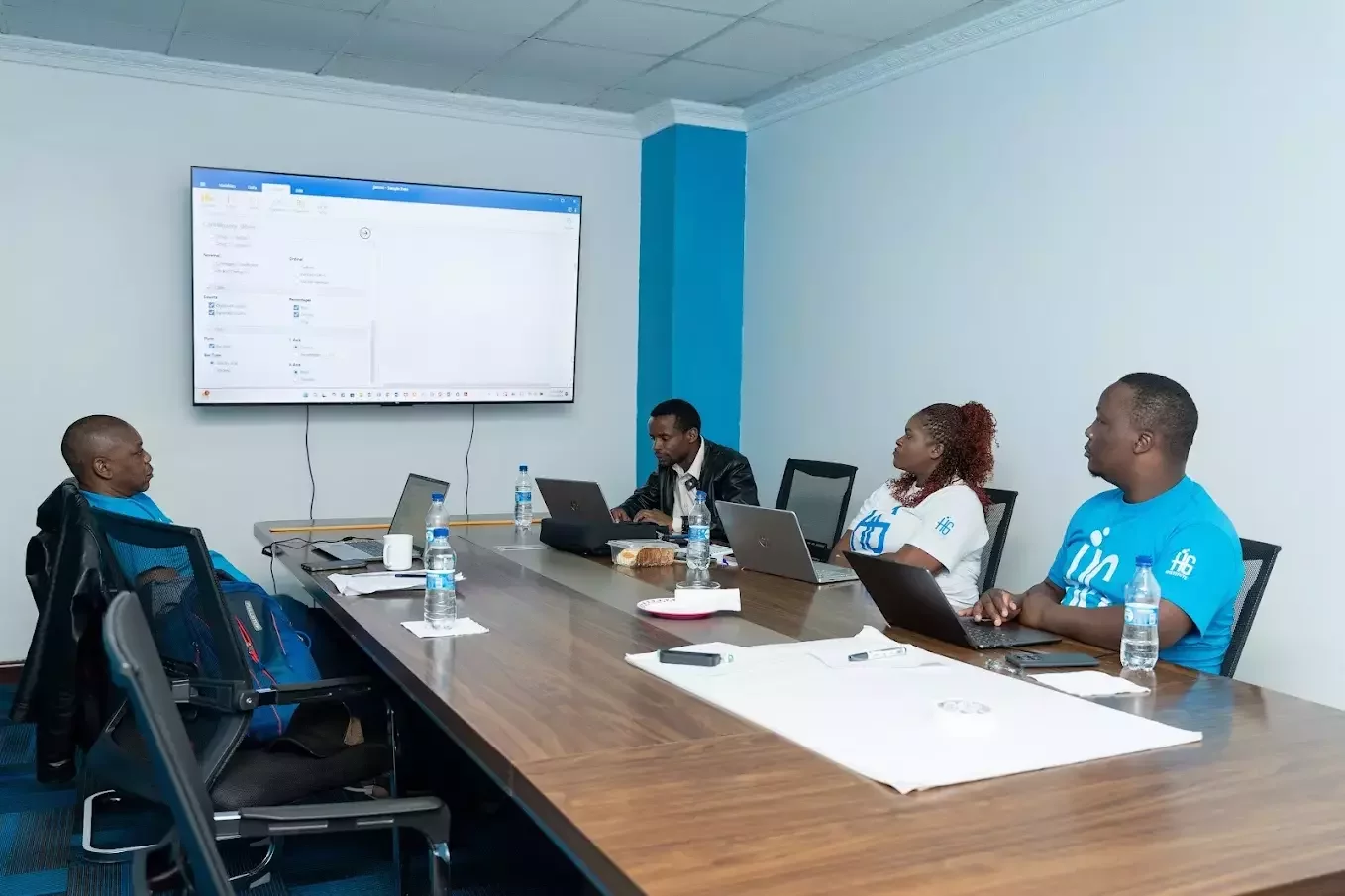

🌍 Practical Training for Humanitarian & Development Professionals. 

Gain workplace-ready skills in Project Management, Proposal Development, Donor Compliance, Data Collection, Data Analytics and many more — Onsite in Nairobi or 100% Online.


Reserve You Seat Now
Banner Image
About Section Image

10,000+

Professionals Trained
Globally

About Humanitarian Global (HG)

Humanitarian Global (HG) is a leading capacity building and consultancy organization with over 10 years of experience, dedicated to strengthening people, systems, and leadership across the humanitarian and development sector. 


We partner with NGOs, UN agencies, governments, academic institutions, and corporate actors to deliver practical, results-driven solutions that enhance organizational performance and enable measurable, sustainable impact at scale. 


Our work is firmly aligned with the United Nations Sustainable Development Goals (SDGs), with a strong focus on accountability, equity, resilience, and locally led development.
Practical, hands-on learning.
Certification provided.
Accredited & internationally recognized training.
Request Group Quote

Humanitarian Global Professional Development Series 2026

Build the skills. Strengthen your organization. Deliver greater impact.

👉 Swipe right/horizontally to view full workshop details

 Training/course Onsite Fees (USD) Online  Fees (USD)
 1. Leadership & Project Management for NGOs & Development Organizations 14th – 18th Dec (5 Days) USD 1200 7th-18th Dec (2 Weeks) USD 700
 2. Donor Compliance, Finance & Audit Readiness 16th - 20th Nov (5 Days) USD 1200 16th - 27th Nov (2 Weeks) USD 700
 3. Annual Project Planning & Result Based Management (RBM) 7th - 11th Dec (5 Days) USD 1200 30th Nov - 11th Dec (2 Weeks) USD 700
 4. Proposal Writing, Grant Acquisition & Resource Mobilization 7th - 11th Dec (5 Days) USD 1200 7th - 18th Dec (2 Weeks) USD 700
 5. Data Analytics & Visualization Using SPSS & Power BI Training 9th - 13th Nov (5 Days) USD 850 9th - 20th Nov (2 Weeks) USD 500
 6. Data Collection for Humanitarians using KoboToolbox and Open Data Kit 12th – 16th Oct (5 Days) USD 850 5th - 16th Oct (2 Weeks) USD 500
 7. Environmental and Social Safeguarding (ESS) 19th – 23rd Oct (5 Days) USD 850 19th -30th Oct (2 Weeks) USD 500

👉 Swipe right/horizontally to view full workshop details

Register Now

Training Outlines

Module 1: Project Management Fundamentals and Leadership Essentials 
∙Sub-Topic 1: Understanding Project Management 
          ∙Significance of Project Management 
          ∙Project Management vs. General Management 
          ∙Project, Program, Portfolio, and Operation Differences 
∙Sub-Topic 2: Leadership in Project Management 
         ∙Leadership Competencies for Project Success 
         ∙Leadership Styles in Project Management 
         ∙Leading Multidisciplinary Teams 
∙Sub-Topic 3: Project Management Framework 
        ∙The Project Management Life Cycle 
        ∙Types of Development Life Cycles (e.g., Agile, Waterfall) 
        ∙The Triple Constraint: Scope, Time, and Cost 
 Module 2: Project Initiation and Stakeholder Engagement 
∙Sub-Topic 1: Strategic Project Initiation 
        ∙The Project Initiation Phase 
        ∙Importance of a Well-Defined Project Charter 
        ∙Setting Clear Project Objectives and Goals 
∙Sub-Topic 2: Stakeholder Analysis and Engagement 
       ∙Steps in Stakeholder Analysis 
       ∙Stakeholder Identification and Mapping 
       ∙Effective Stakeholder Engagement Strategies 
∙Sub-Topic 3: Roles and Responsibilities 
       ∙Understanding the Project Sponsor’s Role 
       ∙The Role of the Project Manager 
       ∙Defining the Project Customer’s Role 
 Module 3: Advanced Project Planning and Risk Management 
∙Sub-Topic 1: Project Scope Definition 
      ∙Defining Product Scope vs. Project Scope 
      ∙Developing a Comprehensive Project Scope Statement 
∙Sub-Topic 2: Work Breakdown Structure (WBS) 
     ∙Creating an Effective WBS 
     ∙Identifying Work Package Characteristics 
∙Sub-Topic 3: Cost Estimation and Budgeting 
     ∙Advanced Cost Estimation Techniques 
     ∙Determining and Managing the Project Budget 
∙Sub-Topic 4: Project Schedule Development 
    ∙Creating a Detailed Project Schedule 
   ∙Value and Significance of the Project Schedule 
∙Sub-Topic 5: Project Risk Management 
    ∙Advanced Strategies for Risk Identification and Assessment 
    ∙Risk Mitigation and Response Planning 
    ∙Monitoring and Controlling Project Risks 
∙Sub-Topic 6: Project Baseline and Change Control 
    ∙Components of a Project Baseline 
    ∙Implementing Effective Project Change Control Strategies 
 Module 4: Leadership in Project Execution and Team Development 
∙Sub-Topic 1: Execution Phase Essentials 
        ∙Technical and Human Resource Aspects of Project Execution 
        ∙Monitoring and Controlling Project Progress 
∙Sub-Topic 2: Team Development and Leadership 
        ∙The Project Manager’s Role in Team Development 
        ∙Navigating the Five Stages of Team Development 
∙Sub-Topic 3: Effective Communication 
       ∙Advanced Communication Methods in Project Management 
       ∙The Project Manager’s Role in Facilitating Communication 
∙Sub-Topic 4: Conflict Resolution and Decision Making 
       ∙Advanced Conflict Resolution Options and Strategies 
       ∙The Decision-Making Process in Complex Projects 
∙Sub-Topic 5: Project Review and Oversight 
       ∙Types of Project Reviews 
       ∙Techniques for Effective Project Oversight 
 Module 5: Strategic Project Closure and Post-Project Analysis 
∙Sub-Topic 1: Project Closing Activities 
      ∙Key Activities Involved in Project Closure 
      ∙Benefits of Efficient Project Closeout 
∙Sub-Topic 2: Post-Project Analysis and Continuous Improvement 
     ∙Conducting a Post-Project Analysis
      ∙Developing a Continuous Improvement Plan 
∙Sub-Topic 3: Leadership Impact on Project Outcomes 
      ∙Evaluating the Role of Leadership in Project Success 
      ∙Leveraging Leadership for Long-Term Organizational Growth 
∙Sub-Topic 4: Strategic Thinking in Project Management 
     ∙Applying Strategic Thinking to Achieve Long-Term Goals 
     ∙Leveraging Project Success for Organizational Advancement 
∙Sub-Topic 5: Personal Leadership Action Plan 
    ∙Developing a Personal Leadership Action Plan for Ongoing Improvement 

Module 1: Foundations of Donor Compliance and Grant Financial Management 

1.1 Understanding Donor Compliance

 1.2 Donor Regulations and Compliance Frameworks

 1.3 Grant Financial Management 

1.4 Governance and Ethical Financial Management 


Module 2: Financial Planning, Budget Management and Donor Reporting 

2.1 Budget Development and Cost Principles

2.2 Financial Monitoring and Expenditure Control

2.3 Donor Financial Reporting 

2.4 Documentation and Record Management 


Module 3: Internal Controls, Procurement Compliance and Risk Management 

3.1 Internal Control Systems 

3.2 Procurement Compliance 

3.3 Asset and Inventory Management 

3.4 Risk Management and Fraud Prevention 


Module 4: Audit Readiness and Compliance Reviews 

4.1 Understanding Donor Audits 

4.2 Preparing for Financial Audits 

4.3 Managing Compliance Reviews 

4.4 Responding to Audit Findings 


Module 5: Building a Compliance Culture and Organizational Readiness 

5.1 Organizational Compliance Systems 

5.2 Capacity Building for Compliance 

5.3 Organizational Audit Readiness Assessment 

5.4 Developing Organizational Compliance Action Plans

Module 1: Strategic Annual Project Planning and Results-Based Management 

1.1 Understanding Annual Project Planning 

1.2 Results-Based Management Fundamentals 

1.3 Linking Strategy to Project Results 

1.4 Theory of Change and Results Frameworks 

Practical Exercise: Develop a Results Chain and Annual Project Results Framework for a selected project. 


Module 2: Annual Work Planning, Scope, WBS and Scheduling 

2.1 Defining Project Scope

2.2 Work Breakdown Structure (WBS) 

2.3 Annual Work Plans 

2.4 Project Scheduling 

2.5 Gantt Charts and Annual Implementation Plans 

Practical Exercise: Develop a 12-Month Annual Project Work Plan and Gantt Chart. 


Module 3: Project Budgeting, Resource Planning and Risk Management 

3.1 Project Resource Planning 

3.2 Project Cost Planning 

3.3 Annual Budget and Work Plan Integration 

3.4 Project Risk Management 

3.5 Assumptions and Constraints 

Practical Exercise: Develop an Annual Project Budget, Resource Plan and Risk Register.


Module 4: Results Measurement, Monitoring, Performance and Reporting 

4.1 Developing Performance Indicators 

4.2 Project Performance Measurement 

4.3 Monitoring Project Implementation 

4.4 Variance Analysis 

4.5 Performance Reporting 

Practical Exercise: Analyse a Project Performance Dashboard and prepare a quarterly performance report identifying variances and corrective actions. 


Module 5: Adaptive Management, Stakeholder Engagement and Continuous Improvement 

5.1 Stakeholder Engagement in Annual Planning 

5.2 Adaptive Project Management 

5.3 Corrective and Preventive Action 

5.4 Lessons Learned and Knowledge Management 

5.5 Annual Review and Next-Year Planning 

5.6 Continuous Improvement 

Final Project: Developing an Integrated Annual Project Plan and Results Management Framework : Participants will select either a real project from their organization or a provided case study and develop a complete 12-month project implementation and results management plan.The project should have a clear development, humanitarian, social protection, health, WASH, education, livelihoods, climate, or other relevant development objective

Module 1: Funding Landscape, Donor Research and Resource Mobilization Strategy 
1.1 Understanding Resource Mobilization 
1.2 Donor and Funding Opportunity Research 
1.3 Developing a Resource Mobilization Strategy 
1.4 Donor Positioning and Relationship Building 
Practical Exercise: Develop a Donor Mapping and Resource Mobilization Matrix for a selected organization. 

Module 2: Proposal Development, Concept Notes and Project Design 
2.1 Understanding Donor Proposals 
2.2 Problem Identification and Evidence
2.3 Project Design 
2.4 Proposal Narrative Development 
2.5 Work Planning and Implementation 
Practical Exercise: Participants develop a concept note and project design framework based on a real or simulated funding opportunity. 

Module 3: Budget Development, Grant Acquisition and Proposal Quality 
3.1 Proposal Budget Development 
3.2 Budget Narrative and Financial Justification 
3.3 Grant Acquisition Process 
3.4 Proposal Quality Assurance 
3.5 Winning Proposal Strategies 
Practical Exercise: Develop a complete project budget and budget narrative, followed by a proposal quality assurance review using donor evaluation criteria

Module 4: Grants Management, Compliance and Reporting 
4.1 Understanding the Grant Lifecycle 
4.2 Grant Implementation and Financial Management 
4.3 Grant Compliance 
4.4 Grant Monitoring and Reporting 
4.5 Grant Close-Out and Learning 
Practical Exercise: Conduct a Grant Compliance and Risk Review using a simulated donor grant and develop a corrective action plan. 

Module 5: Fundraising, Donor Engagement and Sustainable Resource Mobilization 
5.1 Diversifying Resource Mobilization 
5.2 Donor Cultivation and Stewardship 
5.3 Fundraising Communication and Storytelling 
5.4 Donor Relationship and Database Management 
5.5 Measuring Resource Mobilization Performance

Final Project: Participants develop a 12-month Resource Mobilization and Grants Acquisition Plan, including donor targets, funding opportunities, engagement strategies, proposal pipeline, fundraising activities, and performance indicators.

SESSION 1: SPSS Fundamentals

  • Introduction to the SPSS user interface
  • SPSS options and
  • Data entry and Data cleaning
  • Data coding – Validation and editing: manual and imports

 SESSION 2: Variable Management

  • Definition of variables (string, numeric, date, coma, dot and scientific notation; scale, ordinal and categorical variables)
  • Data transformation using the recode function
  • Using the compute module to create new variables

SESSION 3: Hypothesis Testing

  • Basic non-parametric tests like chi-square and comparison of means Editing of output using the output viewer.
  • Exporting output to other programs like MS Word and Excel
  • Conducting exploratory and confirmatory factor analysis

SESSION 4: SPSS Descriptive statistics.

  • Correlation analysis
  • Simple linear regression analysis
  • Interpretation of correlationandregressionoutputs

SESSION 5: POWER BI ENVIRONMENT

  • Overview of Power BI Desktop and Power BI Service
  • Introduction to the PBIX user interface
  • BI features, options, and functions.
  • Data entry and Data cleaning
  • Data transformations and Merging Queries
  • Loading, Shaping & Transforming Data with Power Query

SESSION 6: INTELLIGENT DASHBOARDS: COLLABORATIVE METRICS DASHBOARD REPORTS

  • Reporting & Data Visualization with Power Map
  • Data Mapping in Pivots
  • Charting and visualisation
  • Visuals, Map-Based Graphs, Heat & Regions Maps

SESSION 7: END-TO-END REPORTING SOLUTIONS

  • Creating Info Graphics
  • Data Classifications & Case Studies
  • Presenting PBIx dashboards
  • Interpretation of result

SESSION 8: PUBLISHING AND SHARING REPORTS 

  • Print & Export Dashboards
  • Power BI Mobile
  • Publishing to Web
  • Embed in SharePoint and export to PowerPoint

Session 1: Introduction to Data Collection in Humanitarian Work

  • Understanding the importance of data collection
  • Ethical considerations and data protection
  • Overview of KoBoToolbox and ODK (Differences between the two open-source tools)
  • Key features and benefits of KoBoToolbox
  • Key features and benefits of ODK

 Session 2: Form Design with KoBoForm

  • Creating customized data collection forms in KoBoForm
  • Designing forms with various question types and logic
  • Incorporating multimedia elements into KoBoForm

 Session 3: Data Collection with KoBoCollect

  • Installing and configuring KoBoCollect on Android devices
  • Offline data collection strategies with KoBoCollect
  • Real-time data submission and reporting in the field

 Session 4: Data Management on KoBoToolbox Server

  • Setting up and hosting a KoBoToolbox server
  • Uploading forms and managing user access
  • Aggregating, exporting, and sharing data on KoBoToolbox

 Session 5: Data Security and Privacy in KoBoToolbox

  • Encryption and secure data transmission in KoBoToolbox
  • User authentication and access control
  • Ensuring compliance with data protection regulations in KoBoToolbox

 Session 6: Form Design with ODK Build

  • Creating customized data collection forms in ODK Build
  • Designing forms with various question types and logic
  • Incorporating multimedia elements into ODK Build forms

 Session 7: Data Collection with ODK Collect

  • Installing and configuring ODK Collect on Android devices
  • Offline data collection strategies with ODK Collect
  • Real-time data submission and reporting in the field using ODK Collect

 Session 8: Data Management on ODK Aggregate

  • Setting up and hosting an ODK Aggregate server
  • Uploading forms and managing user access on ODK Aggregate
  • Aggregating, exporting, and sharing data using ODK Aggregate

 Session 9: Data Security and Privacy in ODK

  • Encryption and secure data transmission in ODK
  • User authentication and access control in ODK
  • Ensuring compliance with data protection regulations in ODK

Session 10: Applying KoBoToolbox and ODK in Humanitarian Work

  • Review of key concepts and skills learned in the course
  • Practical exercises and case studies in humanitarian contexts
  • Data collection, management, and analysis challenges in the field
  • Using KoBoToolbox and ODK to address humanitarian needs
  • Group discussions and peer review of data collection projects
  • Strategies for enhancing the impact of humanitarian responses through data

Module 1: Introduction to Environmental and Social Safeguards

  • Definitions of Environmental and Social Safeguards

  • Importance in Project Management

  • Regulatory Framework: National and Local Regulations & International Standards (e.g., World Bank, IFC)

  • Principles of Safeguards: Prevention, Mitigation, Monitoring

Module 2: Environmental Safeguards

  • Environmental Impact Assessment (EIA): Purpose and Process

  • Key Components of EIA

  • Mitigation Measures

  • Monitoring and Reporting

Module 3: Social Safeguards

  • Social Impact Assessment (SIA)

  • Community Engagement Strategies

  • Addressing Vulnerable Groups

Module 4: Integration of Safeguards into Project Planning

  • Risk Assessment in Project Planning

  • Implementation Strategies

  • Continuous Monitoring and Adaptation

Module 5: Best Practices and Action Planning

  • Case Studies of Successful Safeguard Implementation

  • Lessons Learned from Failures and Challenges

  • Tools and Resources for Safeguard Management

  • Developing an Action Plan


Explore Additional Training Programmes

1. Women in Leadership for Humanitarian & Development Contexts
2. Leadership & Project Management for NGOs and Development Organizations
3. Project Cycle Management (PMD Pro-aligned)
4. Corporate Governance & Strategic Leadership for Boards and Senior Executives
5. Leadership & Change Management
6.Strategic Planning & Execution Using the Balanced Scorecard (BSC)
7. Performance Management Systems for High-Performing Organizations
8. Strategic Leadership & Management Excellence
9. Strategic Planning & Management
10. Facility & Asset Management for Operational Excellence
11. Parliamentary Diplomacy & Stakeholder Engagement

  • Project Evaluation for Humanitarian & Development Projects
  • Theory of Change, Stories of Change & MEAL Systems Planning 
  • Impact Evaluation for Evidence-Based Policy Development
  • Participatory Monitoring & Evaluation
  • Monitoring & Evaluation for Humanitarian & Development Projects

  • Practical AI Skills for Humanitarian Professionals 
  • Report Writing & Presentation Skills 
  • Humanitarian Essentials & Principles 
  • Training of Trainers (ToT)
  • WASH in Schools & Menstrual Hygiene Management (MHM)
  • Sustainable Rural & Urban WASH Planning
  • Gender, Equality, Disability & Social Inclusion (GEDSI)
  • WASH Financing & Governance
  • GIS & Data Analysis for WASH Projects
  • WASH in Humanitarian & Development Contexts
  • Hygiene Promotion Using CLTS, PHAST & CHAST Approaches
  • WASH in Healthcare Settings During Emergencies
  • Integrated Management of Acute Malnutrition (IMAM)
  • Maternal Infant & Young Child Nutrition (MIYCN)
  • Occupational Safety & Health (OSHA/OHS)
  • First Aid, Emergency & Fire Safety Management
  • Mental Health, Wellbeing & Psychosocial Safety
  • Security Awareness & Hostile Environment Training (HEAT)
  • Environmental Impact Assessment (EIA) in Forestry & Land Use Projects
  • Community-Based Forest Management & Participatory Land Use Planning
  • Land Degradation, Restoration & Sustainable Land Management
  • Biodiversity Conservation & Forest Ecosystem Management 
  • Carbon Markets & Climate Finance for Sustainable Development
  • Climate Change Adaptation & Resilience for Pastoral Communities
  • Governance for Transhumance, Pastoral Mobility & Natural Resource Management
  • Social Protection, Climate Adaptation & Flourishing Livelihoods
  • Comprehensive Disaster Management (CDM) for Media Practitioners
  • Comprehensive Emergency Management (CEM) for Humanitarian & Development Professionals 
  • Disaster Communication & Early Warning Systems 
  • Emergency Operations Center (COM) Management
  • Incident Command System (ICS)
  • Disaster Preparedness & Response Planning 
  • Disaster Risk Reduction & Climate Resilience
  • Managing & Negotiating with Consultants & Contractors
  • Negotiation & Conflict Management in Organization
  • Negotiation & Dispute Resolution
  • Purchasing & Contract Negotiation Strategies
  • Negotiation & Strategic Influence

  • AI & Machine Learning 
  • Geographic Information System (GIS) & Spatial Data Analysis for Decision Making
  • Statistical Data Analysis using R & Stata
  • Qualitative Data Analysis Using Nvivo & Tableau
  • Data Collection using Survey CTO & CSPro

  • Tendering, Procurement & Negotiation Skills
  • Procurement for NGOs 
  • Humanitarian Logistics & Supply Chain Management
  • Strategic Procurement and Supply Chain Management Workshop for Procurement Managers

  • Community Protection & Empowerment
  • Gender-Based Violence (GBV) Prevention & Response
  • Child Protection in Humanitarian Action
  • Social Work & Community Development

With deep sector expertise and a result-driven mindset, we do not just build capacity - We enable transformation. 

Request Group Quote

Training Venues

Learn Globally. Connect Professionally. Experience More.

Training destinations available across Africa, Europe, Middle East & Asia. 

Nairobi City - Training Workshops

Nairobi, Kenya

Kigali Rwanda - Training Workshops

Kigali, Rwanda

London City - Training Workshops

London, UK

Dubai City - Training Workshops

Dubai, UAE

Cape Town - Training Workshop

Cape Town, South Africa

Singapore City - Training Workshops

Singapore City, Singapore

Addis Ababa Ethiopia - Training Workshops

Addis Ababa, Ethiopia

Dar Es Salaam, Tanzania - Training Workshops

Arusha/Dar Es Salaam, Tanzania

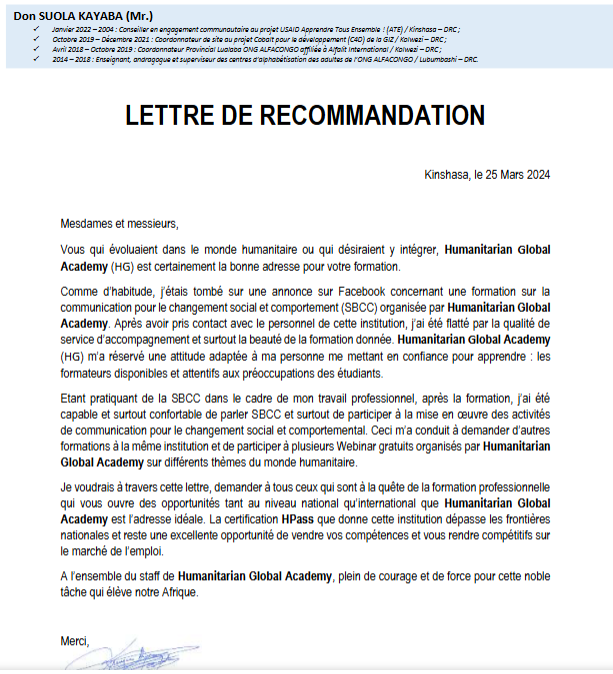
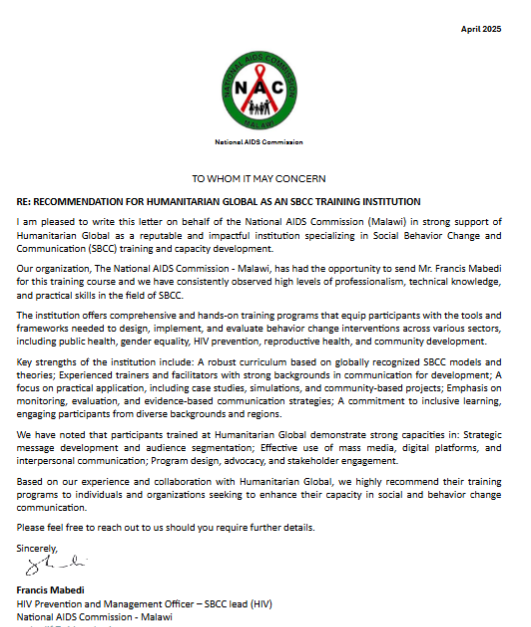
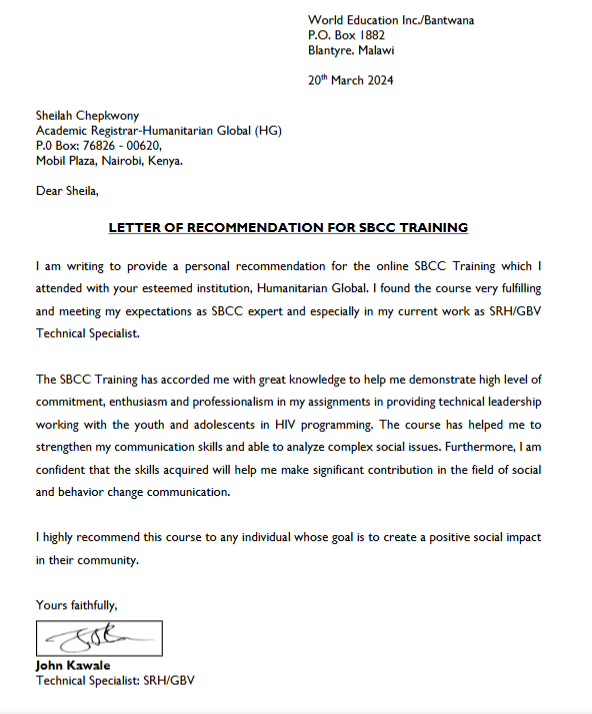
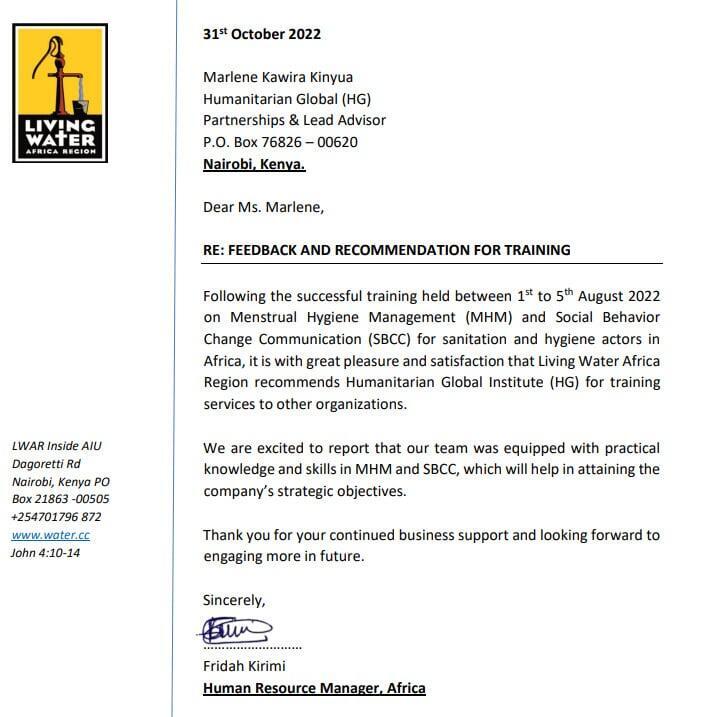
Testimonials

Discover how our events have transformed organizations and created lasting memories. Read inspiring stories from satisfied clients and see how we turn visions into successful realities.

Request Group Quote

Leadership That Delivers

Before the training, managing teams and keeping complex NGO projects on track was challenging. I learned practical leadership, decision-making, stakeholder management, and project delivery tools, which I immediately applied to improve team coordination and project planning. The biggest change was my confidence as a leader and the effectiveness of our project delivery.

Program Manager, 

International NGO, Kenya

From Ideas to 
​Funding

Prior to the training, we had strong ideas but struggled to turn them into compelling donor proposals. I learned how to align proposals with donor priorities, identify funding opportunities, and strengthen our fundraising approach. Applying these techniques has made our proposals more competitive and our team much more confident in resource mobilization.

Grants & Partnerships Officer, 

National NGO, Malawi

Audit 
​Ready

The situation before, ensuring our donor-funded projects were fully compliant and audit-ready was challenging. I learned practical approaches to financial controls, documentation, compliance, and audit preparation, which we applied to strengthen our systems. Our team is now more confident managing donor funds and identifying compliance gaps early.

Finance Manager,

International NGO, Yemen

From Data to
​ Decisions

Our initial challenge we collected plenty of data but struggled to turn it into useful insights. I learned how to analyze data using SPSS and create interactive dashboards with Power BI, then applied these skills to our project reporting. We now use data more effectively to identify trends, communicate findings, and support better decisions.

Monitoring & Evaluation Officer,

International NGO, Kyrgyzstan

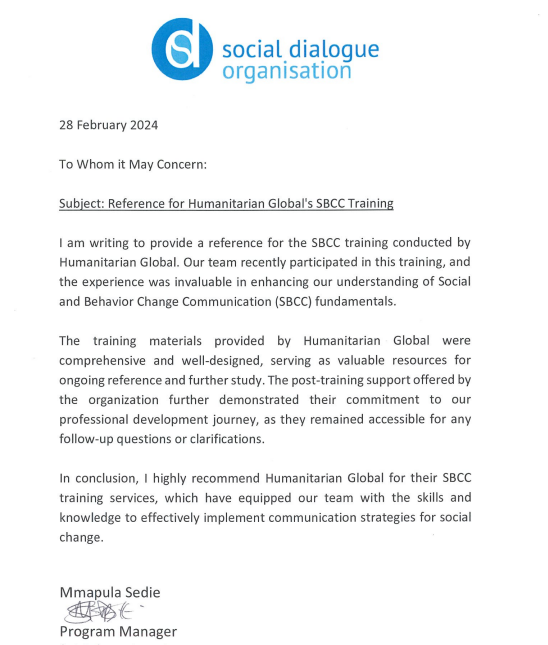
The Impact of Training, in Their Own Words
Previous Training Events
Get in touch with us

You may reach out to us via the details below for further guidance towards enrolling with us for upcoming classes.

WhatsApp

Call

+254 111 052 554

+254 111 052 551

Email

info@humanitarianglobal.com

www.humanitarianglobal.com